Childhood Is Not a Preparation
Over the past couple of years, I’ve been a part of revamping our website and filming camper testimonial videos. When I ask kids the question, ‘Why do you return to Ballibay every summer?’ one of the most consistent answers is that they feel so much less pressure and more freedom to just be creative.
They can sing without competition, paint without a grade attached, dance without auditions, and write without worry about what is ‘good enough.’ Campers are given the space, resources, and encouragement to explore and express themselves freely. This approach reflects one of the ideas we return to again and again: childhood is not a preparation.
This phrase is one of the first things our counselors learn during our 10-day staff orientation. And it’s not just a nice sentiment, it’s a part of our philosophy that shapes the way we treat kids and run camp.
The statement that ‘childhood is not a preparation for life; childhood is life’ is a paraphrase of John Dewey’s philosophy that children should be engaged in meaningful, hands-on experiences because those experiences are the foundation of growth. We have adopted this thinking into our Ballibay philosophy: childhood is a valuable stage of life all of its own. To treat childhood only as preparation for the future, or adulthood, is to miss its beauty in the present.
Childhood is childhood. It’s its own time and it’s real and beautiful.

After being part of many years of our staff orientation, I hear every summer how much this philosophy resonates with our staff, especially when it comes to the fine and performing arts. Again and again, counselors acknowledge how refreshing it is to experience a space that is different from the intensity of training programs or the pressure of auditions or competitions.
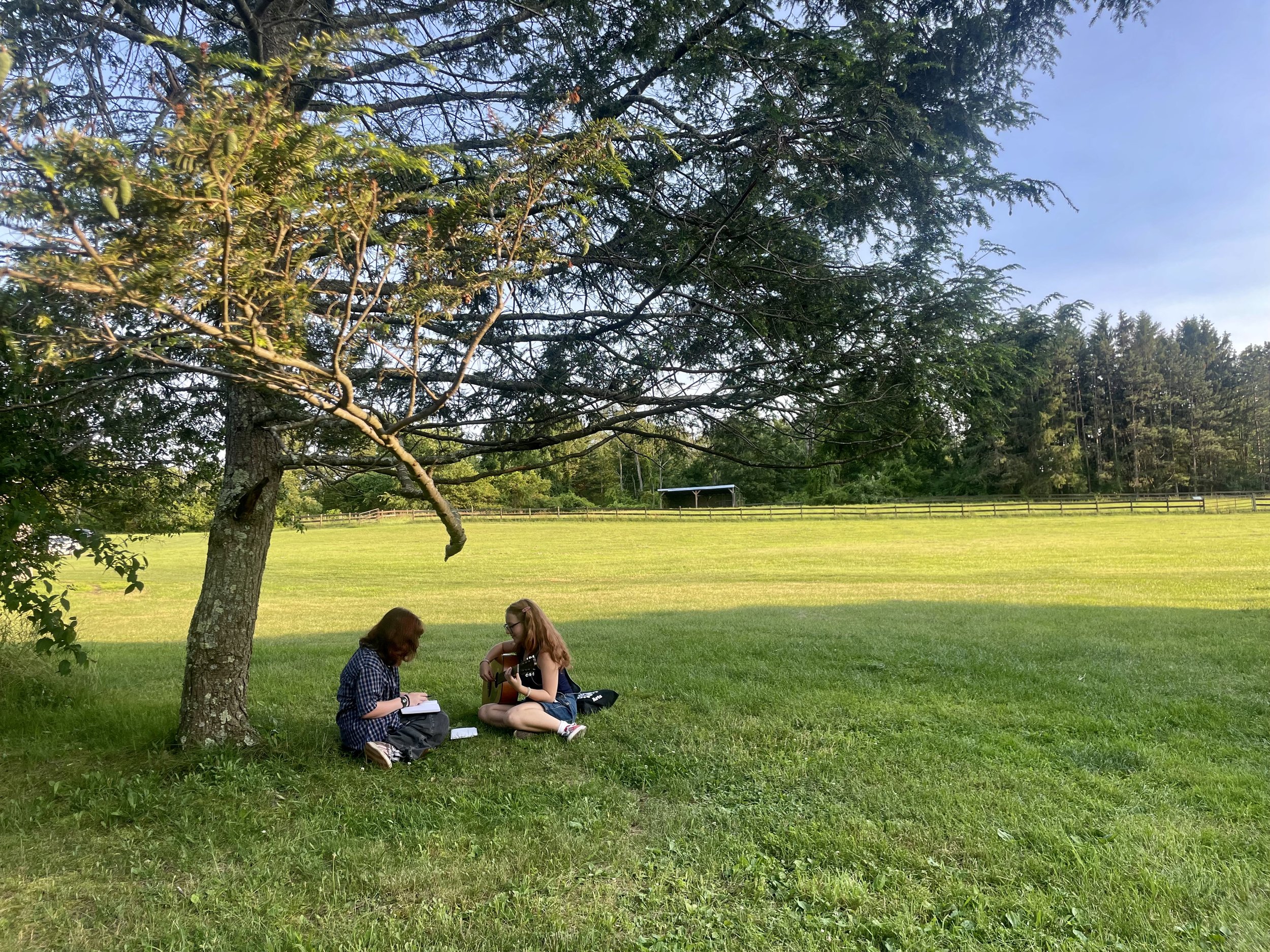
At Ballibay, I see this philosophy in action every day. Cabinmates might spend an afternoon rehearsing a commedia dell’arte inspired scene from Fantastic Mr. Fox just because it makes them laugh. A guitarist might sit in Studio A strumming the same ‘Cherry Bomb’ chord progression over and over, lost in the rhythm. Another camper might happily fill a sketchbook page with drawing after drawing of fish, just for the joy of it. None of these moments are preparation for the future, they are meaningful in the present.
This doesn’t mean camp is a complete free-for-all with no structure. The structure we created is designed to guide and support, not to confine. It provides a framework where kids know what to expect and feel safe, while still giving them the encouragement and freedom to explore and follow their curiosity.
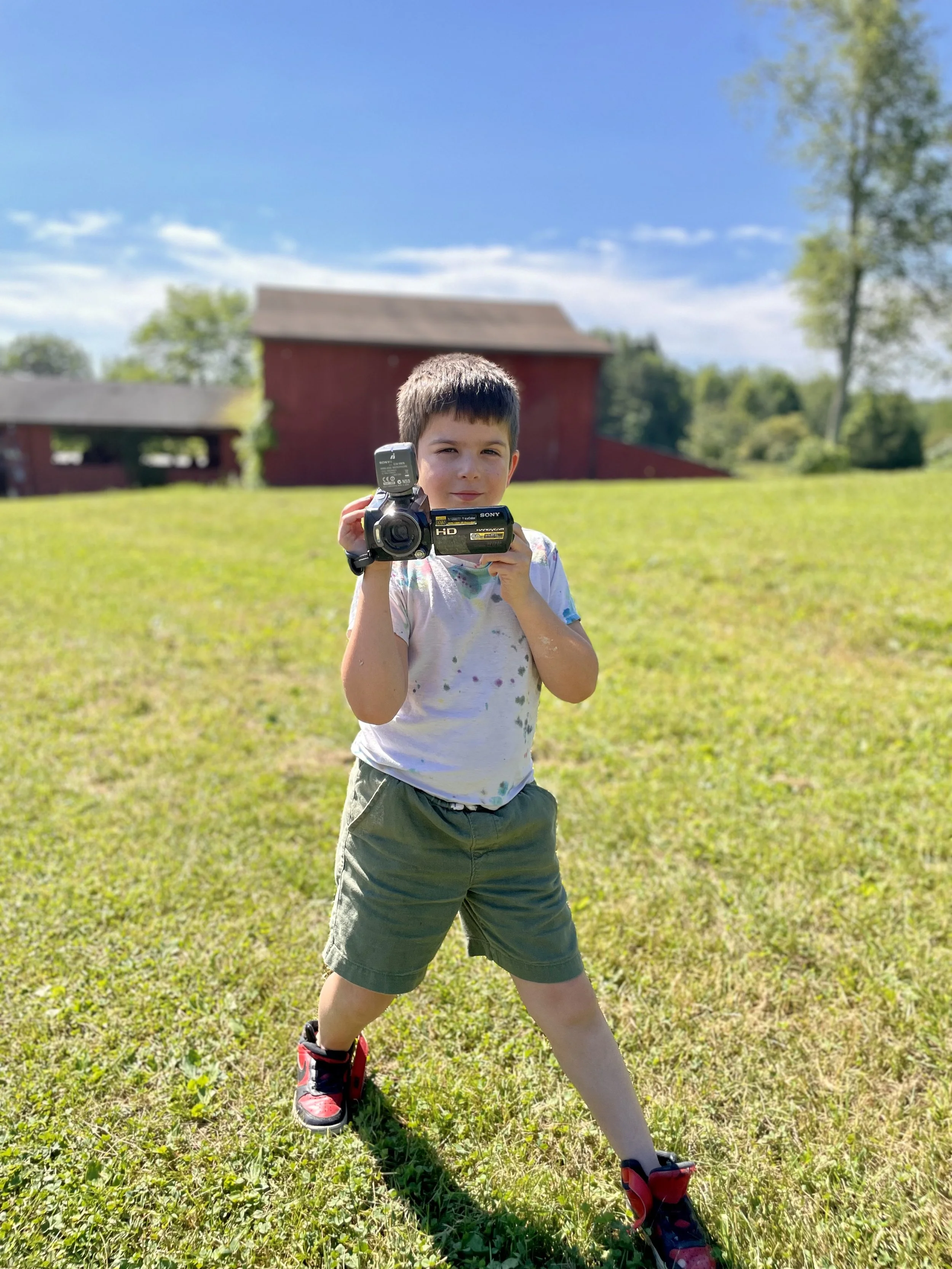
Adulthood will arrive soon enough. For now, we hold fast to the belief that kids deserve the space to simply be kids. And if that means a camper wants to make a short film about Survivor, but set at a summer camp, then let’s charge up the camera, gather a cast, and get that screenplay moving!
Over the next few months, we’ll be sharing more Balli-Blog posts that take a closer look at other pieces of our philosophy and how they shape daily life at camp.